Puppies and
youngsters
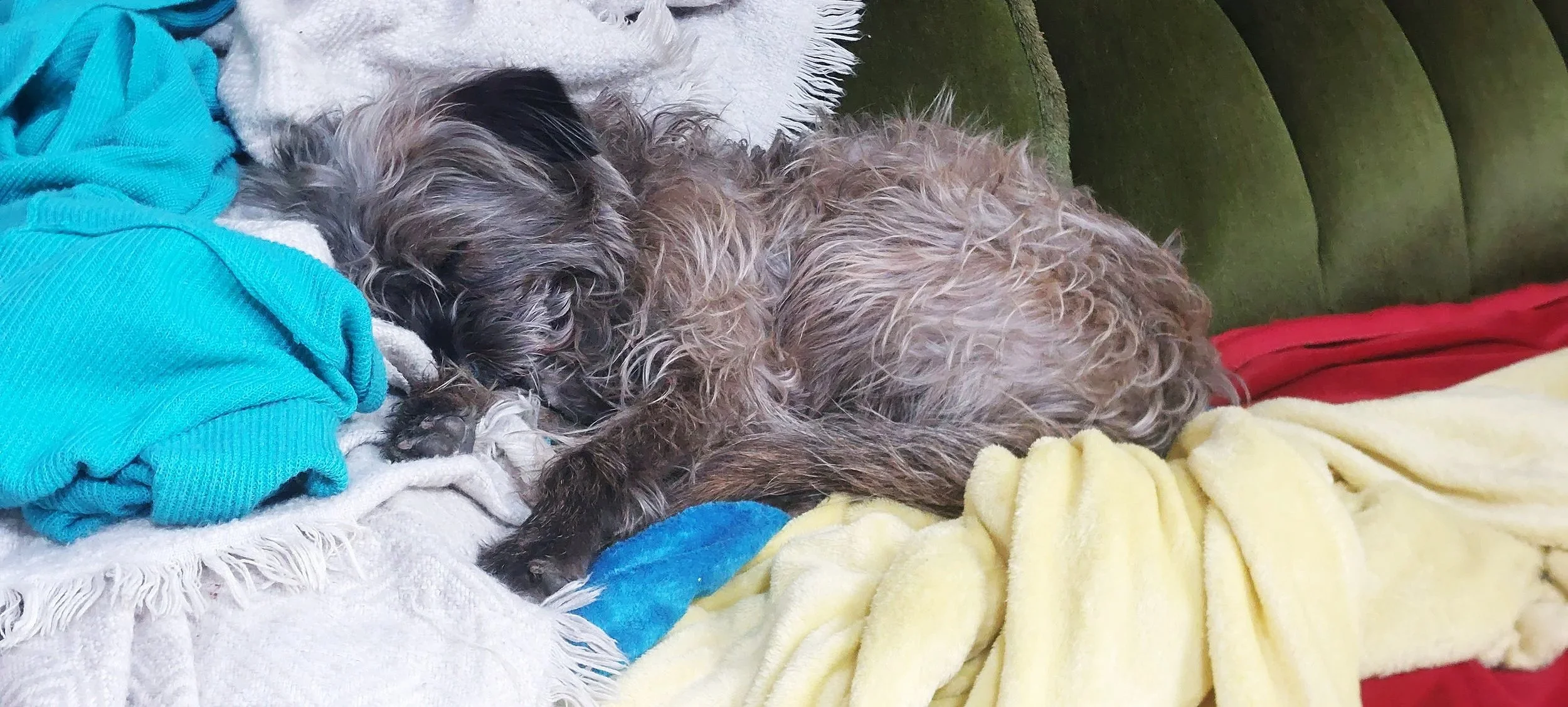
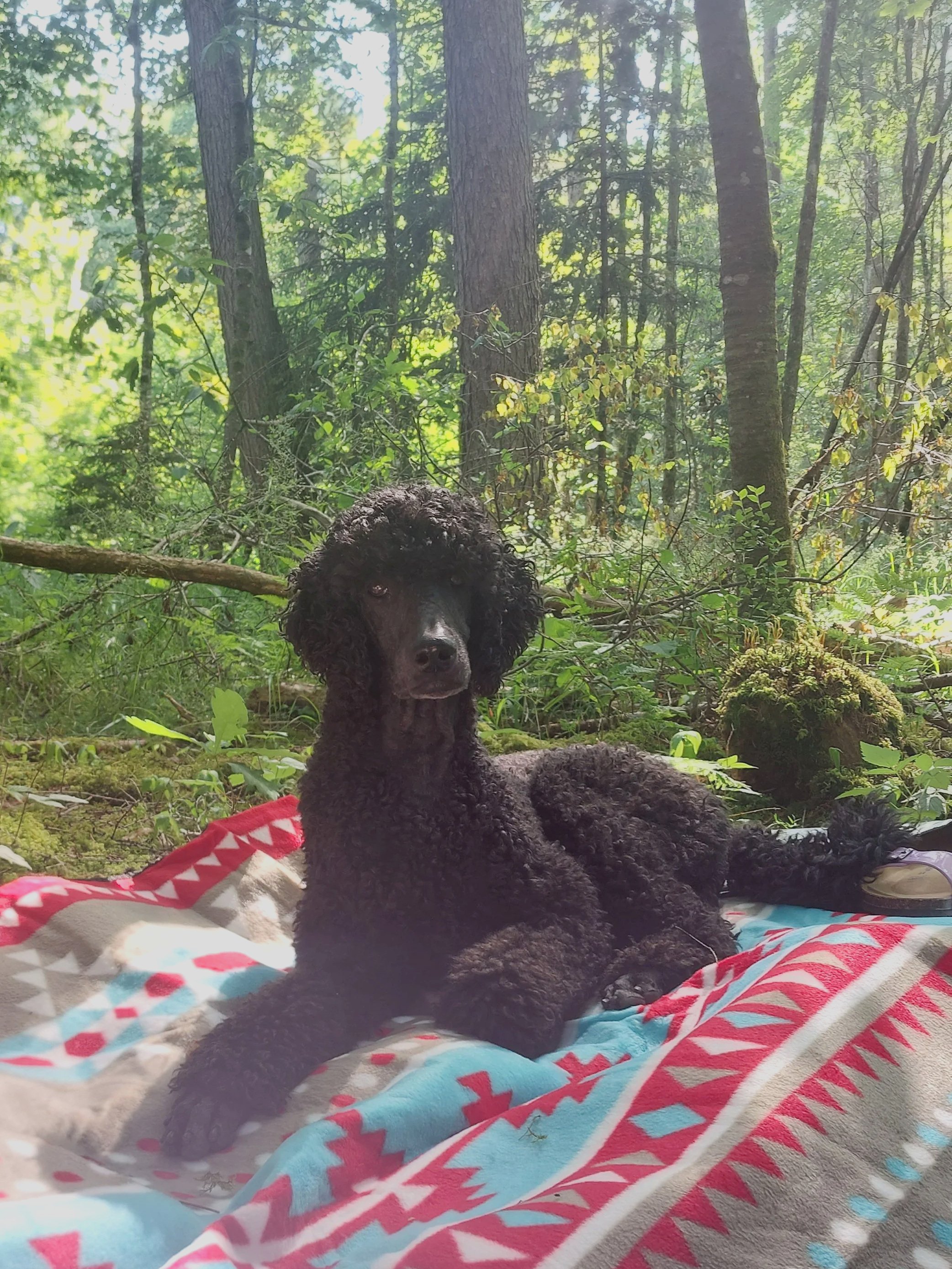
A puppy changes your everyday life. Suddenly there is a small dog who wants to explore the world, finds everything fascinating and is still learning how to live alongside people.
That is why puppy training in Munich is about much more than sit, down and stay.
I want to help you raise a dog who can navigate everyday life, while building a relationship based on understanding and trust.
Discovering the world
For a puppy, almost everything is new.
Their first U-Bahn journey. An elevator. A bicycle passing by. A construction site. Crowds of people. Another dog. A café filled with voices and the sound of dishes.
We look at how your puppy can experience these things without being overwhelmed by them. As well as how to introduce them to new situations.
A puppy does not need to experience everything as quickly as possible. What matters is that they can encounter new experiences that will shape their everyday life at a pace they can handle.
Learning to settle is just as important as being active
Puppies are naturally curious and full of energy. At the same time, they need to learn that not every interesting thing needs to be followed or investigated.
That is why learning to settle and relax is an important part of puppy training. The same goes for impulse control and frustrations tolerance.
We can practise helping your puppy:
settle after a walk
relax at home
cope without constant attention seeking
tolerate short periods of waiting
deal with exciting situations
This is particularly valuable in a city. Not every sound, person, dog or movement needs to become an exciting event.
Lead walking, recall and dog encounters
Of course, the classic puppy training topics are part of our work too.
We can work on loose-leash walking, recall and dog encounters.
I do not expect a young puppy to walk perfectly on lead from day one. What matters more is that they begin to understand how you move through the world together.
Recall is also built up gradually. Starting with the basic understanding, before progressing to few distractions and then to more challenging situations.
And when it comes to other dogs, your puppy does not need to meet and play with every dog they encounter. They can learn that other dogs are simply part of the environment and that sometimes you just walk past each other.
Exploring Munich together
Munich offers countless opportunities to practise real-life skills.
For example, we can work on:
walking calmly through your neighbourhood; with all the everyday encounters
getting used to buses and the U-Bahn
passing people and bicycles
exploring a park
settling calmly in a café
becoming comfortable with different surfaces and environments
preparing for vet visits and handling
Every puppy is different. Some are confident and rush towards everything. Others prefer to observe from a safe distance first.
Both are okay.
And then comes puberty …
Eventually, your cute little puppy becomes a youngster. And suddenly it may seem as though everything that worked yesterday has stopped working.
The recall becomes unreliable. Other dogs become incredibly interesting. The environment seems more exciting again. Or your dog suddenly starts questioning rules that previously seemed completely normal.
This is also an important part of development.
Training does not end with puppyhood. The adolescent phase is an important time to continue building orientation, independence and a fair relationship with your dog.
A good start does not have to be a perfect start
You do not have to get everything right from day one.
What matters to me is that you learn to understand your dog, support their development and know what expectations are realistic at each stage.
Because ultimately, it is not about raising the ‘perfect’ dog.
It is about getting off to a good start into a beautiful life together.
Get more information
personal and non-binding