shelter dogs
anxious dogs
reactive dogs
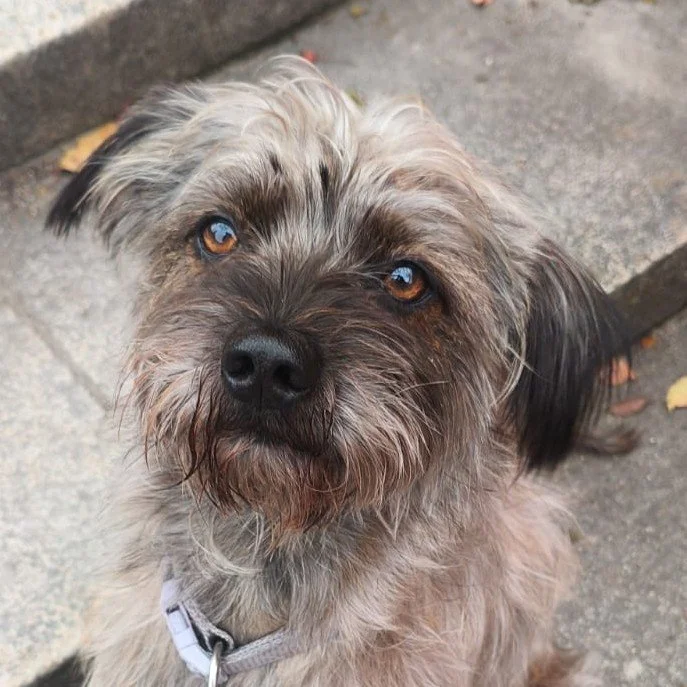
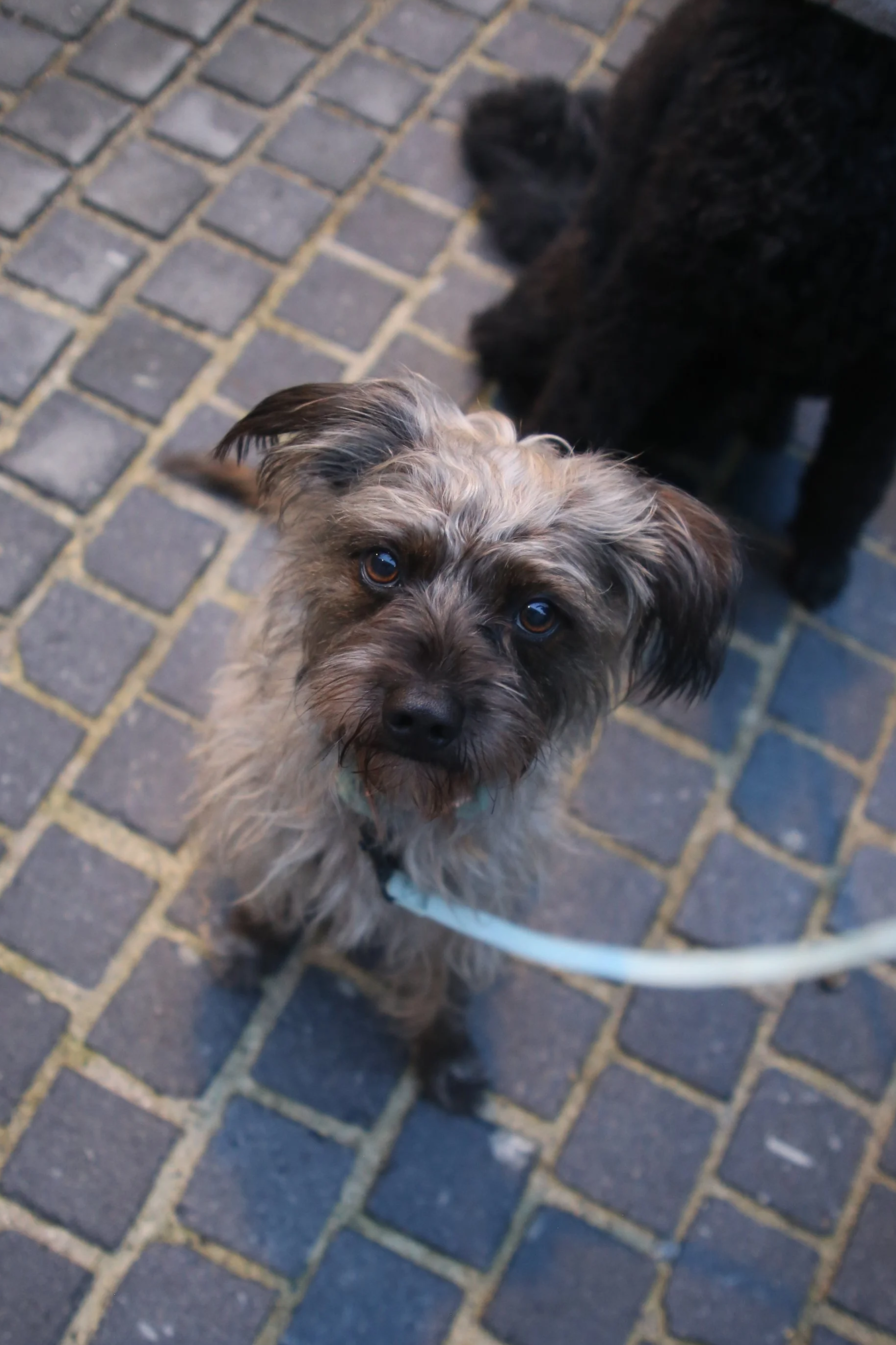
A dog who hides when people approach. A rescue dog who startles at every unfamiliar sound. Or a dog who suddenly lunges, barks or growls at another dog.
When fear, insecurity or strong reactions shape your everyday life, even a simple walk can become a challenge
I support people living with anxious, insecure and reactive dogs, particularly dogs from rescue backgrounds. My goal is not to make your dog “behave” as quickly as possible. Instead, we want to understand what is behind their behaviour, what they are currently able to cope with, and how you can gradually build more safety and confidence together.
Anxious dogs need safety, not overwhelm
With rescue dogs, we often do not know their complete history. Some dogs have had very limited experiences, while others have gone through difficult situations. Sometimes, it only becomes clear after they arrive in their new home which parts of everyday life they struggle with.
Perhaps your dog wants to turn around as soon as you leave the house. Maybe bicycles, rubbish bins or unfamiliar people make them nervous. Perhaps they hide when visitors arrive or do not want to be touched by strangers.
Living in Munich can add another layer of challenges: a lot of traffic, construction sites, busy and narrow pavements, bicycles rushing past, crowds and the constant stream of unfamiliar sounds, smells and movements.
In training, we therefore look closely at what your dog is telling us. What causes stress? How early does your dog show that a situation is becoming too much? How much distance do they need? And what helps them feel safe again? We show your dog: they can trust in you!
When your dog reacts to other dogs
Dog-to-dog encounters are one of the most common challenges I work with.
Perhaps your dog spots another dog from a distance and becomes increasingly tense. Then they pull into the lead, bark or lunge. Maybe they are calm and relaxed at home but become almost impossible to reach when another dog appears.
Reactivity can have many different causes. Fear and insecurity may play a role, but so can frustration, excitement or learned patterns of behaviour.
That is why training is not simply about stopping the barking. We work on helping you understand your dog better, recognise situations early and develop strategies that allow your dog to gradually cope with encounters more successfully.
For example, we might practise noticing another dog across the street without immediately reacting. Perhaps we can even turn the attention to you and make your dog do a few little tricks. Or we may work on strategies for narrow pavements, avoidance maneuvers and situations where another dog suddenly appears around a corner.
Training where your real life happens
I offer mobile dog training in Munich, which means I come to you. This can be particularly helpful with anxious and reactive dogs because we can work directly in the places where your challenges actually occur.
Perhaps the route to your local park is difficult. Maybe there are lots of dogs you encounter outside your building. Perhaps your dog becomes overwhelmed at the Isar or struggles with certain people.
We work with exactly those situations – step by step and at a pace your dog can cope with.
A normal walk can become a training session:
Another dog approaches.
→ We observe your dog and create the distance they need.
A bicycle passes close by.
→ We practise allowing your dog to notice the trigger without immediately becoming overwhelmed.
A stranger wants to stroke your dog.
→ You learn how to recognise your dog's boundaries and advocate for them.
A difficult situation cannot be avoided.
→ We develop strategies that help you navigate it together.
Especially with rescue dogs: settling in takes time
A rescue dog does not have to be able to do everything immediately after arriving in their new home.
A new home, new people, unfamiliar sounds, new routines and completely different surroundings are already a huge change. Sometimes the first step in training is therefore not to do more, but to build safety, orientation and trust.
I can help you understand your dog better and find realistic steps for your life together.
My goal: a good team
A dog does not have to be perfectly obedient for a human and dog to have a great relationship.
Especially with anxious and reactive dogs, I believe in a fair and respectful approach. Your dog should be given the opportunity to learn, while you learn to understand their signals and support them through difficult situations.
My goal is not the perfect dog, but a happy dog.
My goal is a human-dog team that understands each other and can navigate everyday life together with greater safety and ease.
Get more information
personal and non-binding